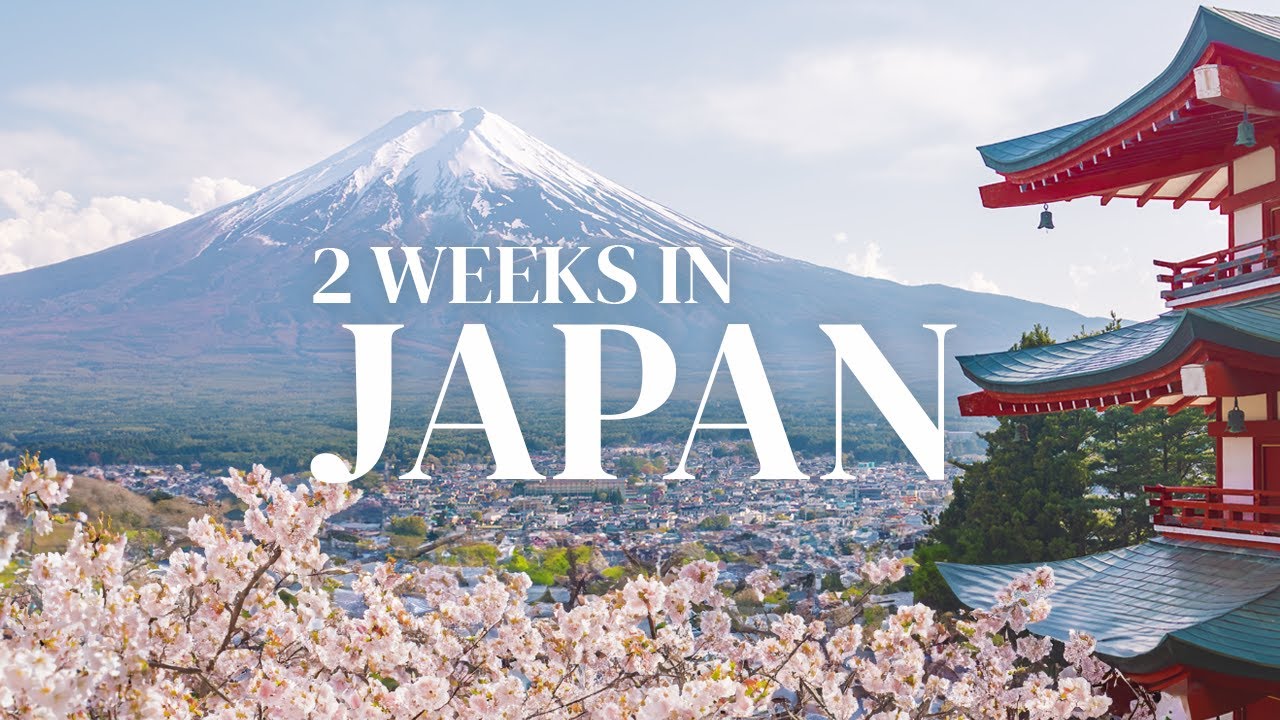
Japan is an amazing travel destination with a perfect mix of tradition and modernity. Here’s a complete guide covering everything you need to know!
1. Best Time to Visit
Japan is beautiful year-round, but here are the best seasons to visit:
- Spring (March-May) – Cherry blossoms (sakura) season, mild weather.
- Summer (June-August) – Festivals, fireworks, but also humid and hot.
- Autumn (September-November) – Stunning fall foliage, comfortable temperatures.
- Winter (December-February) – Snowy landscapes, skiing in Hokkaido, winter illuminations.
2. Top Destinations
Tokyo
– The futuristic capital
- Shibuya – Iconic crossing, shopping, nightlife.
- Shinjuku – Skyscrapers, bars, Golden Gai.
- Akihabara – Anime, gaming, electronics.
- Asakusa – Senso-ji Temple, traditional vibes.
- Harajuku – Fashion, Takeshita Street.
- Disneyland & DisneySea – Amazing theme parks!
Kyoto
– The heart of tradition
- Fushimi Inari Shrine – Thousands of red torii gates.
- Kinkaku-ji – The Golden Pavilion.
- Arashiyama Bamboo Forest – Stunning nature walk.
- Gion – Historic geisha district.
Osaka
– Food and entertainment hub
- Dotonbori – Neon lights, street food (takoyaki, okonomiyaki).
- Osaka Castle – Historical landmark.
- Universal Studios Japan – Amazing theme park.
Hokkaido
– Nature & winter wonderland
- Sapporo Snow Festival (February).
- Furano & Biei – Lavender fields, scenic landscapes.
- Niseko – World-class skiing.
Hiroshima
– History & peace
- Hiroshima Peace Memorial Park – WWII history.
- Miyajima Island – Floating Torii Gate of Itsukushima Shrine.
Okinawa
– Tropical paradise
- Beaches – Crystal-clear waters, coral reefs.
- Shuri Castle – Ryukyu Kingdom history.
3. Japanese Food to Try
- Sushi & Sashimi – Fresh seafood.
- Ramen – Many styles: Tonkotsu (Fukuoka), Shoyu (Tokyo), Miso (Hokkaido).
- Tempura – Lightly battered and fried seafood/vegetables.
- Okonomiyaki – Savory Japanese pancake (Osaka, Hiroshima).
- Takoyaki – Octopus-filled dough balls (Osaka).
- Kaiseki – Traditional multi-course meal in Kyoto.
- Matcha Desserts – Green tea-flavored sweets.
4. Transportation in Japan
- Japan Rail Pass (JR Pass) – Ideal for traveling between cities on Shinkansen (bullet trains).
- Suica/Pasmo Cards – Prepaid travel cards for trains, buses, convenience stores.
- Shinkansen (Bullet Train) – Super fast, comfortable, but pricey without a JR Pass.
- Local Trains & Subways – Efficient in cities.
- Buses – Useful in rural areas.
- Taxis – Expensive but convenient for short distances.
5. Cultural Etiquette & Tips
- Bowing – Shows respect in greetings.
- Shoes Off Indoors – Required in temples, traditional inns, some restaurants.
- Quiet Public Transport – Avoid talking loudly on trains.
- Cash vs. Cards – Japan is cash-friendly; carry yen.
- Onsen (Hot Springs) Rules – Wash before entering, no swimsuits allowed.
- Tipping – Not customary in Japan.
6. Unique Experiences
- Stay in a Ryokan – Traditional Japanese inn with tatami floors.
- Visit a Cat or Owl Café – Popular in Tokyo.
- Attend a Tea Ceremony – Experience Japanese tea culture.
- Wear a Kimono – Rent one in Kyoto or Asakusa.
- Watch a Sumo Match – Sumo tournaments happen in Tokyo, Osaka, Nagoya, and Fukuoka.
- Go to a Robot Restaurant – Crazy entertainment show in Shinjuku (Tokyo).
7. Budget Tips
- Stay in Capsule Hotels or Hostels – Affordable options.
- Eat at Conveyor Belt Sushi & Konbini (Convenience Stores) – Cheap and tasty.
- Get a JR Pass – Saves money on long-distance train travel.
- Use Free Attractions – Many shrines, parks, and festivals are free.
8. Safety & Language
- Japan is one of the safest countries, but still be cautious.
- English signs are common in major cities, but learning basic Japanese phrases helps:
- Hello – Konnichiwa (こんにちは)
- Thank you – Arigato (ありがとう)
- Excuse me – Sumimasen (すみません)
- How much? – Ikura desu ka? (いくらですか?)
9. Souvenirs to Bring Home
- Matcha Tea & Sweets
- Kit-Kat (Japan-exclusive flavors)
- Japanese Knives (Kyoto, Sakai)
- Handmade Ceramics
- Kimono or Yukata
- Anime/Manga Goods (Akihabara, Nakano Broadway)
Immigrants Travel Insurance for Japan: What Does it Mean?
“Immigrants travel insurance for Japan” typically refers to health and travel insurance designed for foreigners who plan to stay in Japan long-term, such as students, workers, or new residents. Here’s what it means and what you should know:
1. Who Needs It?
- Foreign workers moving to Japan for employment.
- International students studying at Japanese universities.
- Long-term visa holders, including dependents.
- New residents waiting for Japan’s National Health Insurance (NHI) to start.
2. Why Is It Important?
- Japan requires health insurance for long-term residents.
- Medical costs in Japan can be high without insurance.
- Some visas require proof of coverage before approval.
- Covers emergencies, hospitalization, and medical expenses before getting local insurance.
3. Types of Insurance for Immigrants
A. Travel Insurance (Short-Term or Before NHI Enrollment)
- Covers accidents, sudden illnesses, and emergency medical costs.
- Valid before enrolling in National Health Insurance (NHI).
- Ideal for temporary visitors, students, and new workers.
B. National Health Insurance (NHI) – For Long-Term Residents
- Required for residents staying over 3 months.
- Covers 70% of medical expenses (you pay 30%).
- Available after getting a Residence Card & registering at the local city office.
C. Private Health Insurance (Supplementary Coverage)
- Covers what NHI does not, such as private hospital rooms, full reimbursements, dental care, etc.
- Recommended for high-income individuals and families.
- Some companies provide health insurance for employees.
4. How to Get It?
- Before Arrival: Buy short-term travel insurance from providers like Allianz, World Nomads, or SafetyWing.
- After Arrival: Register for National Health Insurance (NHI) at your local city office.
- If Needed: Get private health insurance for extra coverage.
5. Cost of Insurance
- Travel Insurance: $30–$100/month (depends on coverage).
- National Health Insurance (NHI): Monthly premiums vary based on income (around ¥2,000–¥30,000 per month).
- Private Health Insurance: Additional ¥5,000–¥20,000 per month, depending on coverage.
Summary — Japan Travel Guide
Traveling across Japan offers a rare blend of ultra-modern cities and deeply preserved traditions. From the neon energy of Tokyo to the timeless temples of Kyoto, the street-food culture of Osaka, the natural beauty of Hokkaido, the historic reflection found in Hiroshima, and the tropical beaches of Okinawa, Japan caters to every type of traveler.
Visitors can enjoy efficient transport like the Shinkansen, world-renowned cuisine such as sushi and ramen, unique cultural experiences like tea ceremonies and ryokan stays, and a society known for safety, cleanliness, and hospitality. Understanding local etiquette, planning travel by season (cherry blossoms or autumn leaves), and using smart budget tips make the journey smoother and more rewarding.
Conclusion — Japan Travel Guide
A trip to Japan is more than sightseeing—it is an immersion into a culture where ancient heritage and futuristic innovation exist in perfect harmony. Whether you seek history, food, technology, nature, or spiritual experiences, Japan delivers unforgettable moments at every turn. With proper planning, respect for local customs, and an openness to explore, your journey through Japan will be inspiring, educational, and truly memorable.